
THIS Leader Podcast
74. The Language of Trust
July 7, 2026
Most of us pay close attention to what we say as leaders. Far fewer of us notice the subtle messages hidden in how we say it. Sometimes, the thing quietly eroding trust isn’t a big leadership failure, it’s a pattern of word choices that send subtle signals that convey, “You’re not that important.”
In this episode, I share a simple, time-tested framework that reveals how small shifts in your language, sometimes just a single word, can mean the difference between triggering defensiveness, or building the kind of trust where people feel safe to speak honestly.
Once you hear these patterns, you'll start noticing them everywhere... especially in yourself.
Listen Now
Listen Now


You can walk into a conversation genuinely trying to help, only to watch the other person become defensive, shut down, or stop listening altogether. Often, you don’t understand why. Upon further examination, you might see that it's the subtle signals embedded in your language that you didn’t even know you were sending.
In this episode, I unpack a simple but powerful framework from communication theorist Jack Gibb, that completely changed the way I think about communication and trust. Together, we'll explore four communication patterns that quietly shape every conversation and determine whether people lean in or put up their guard.

"When people feel defensive, they stop listening. They go into self-protection mode. Your message, no matter how important, doesn't land."
74: The Language of Trust
Subscribe for weekly inspiration
Get it delivered right to your inbox!
Enter your name and email below and you'll get the inside scoop when we release a new episode on the podcast plus weekly leadership inspiration. We know you're not one to miss out on a good thing!
ClaireLaughlin.com needs the contact information you provide to us to contact you about our products and services. You may unsubscribe from these communications at anytime. See our privacy policy for terms and conditions and to learn how we protect your data.
About your Host
Claire Laughlin, MA, Organizational Development Consultant
Hi! I'm Claire Laughlin, and I love helping leaders like you create workplaces where people truly thrive.
For over two decades, I've been rolling up my sleeves alongside teams and organizations, using hands-on methods that actually work (because let's face it - theory only gets you so far!).
I specialize in teaching leaders how to engage their teams, helping managers become more effective facilitators, and showing people how to work better together.
I'm also a master facilitator for the Six Types of Working Genius® - a fantastic tool that helps you understand and leverage your natural talents.
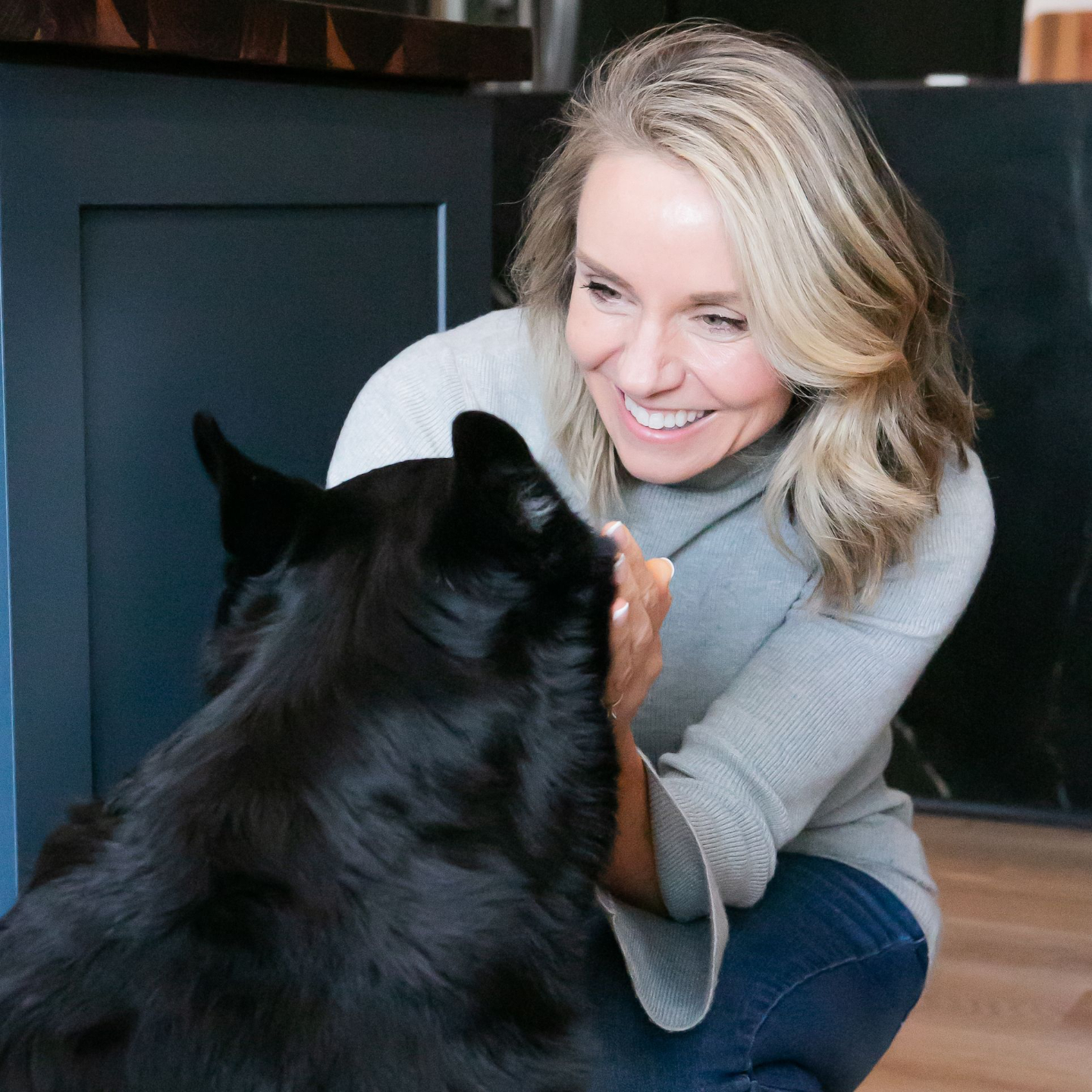
When I'm not helping leaders like you build happy, high-energy workplaces, I'm enjoying a hike in the forest with my dog Fiona, spending time with my family or curled up with a great book.
Listen Now


Let's keep the party going!
We have tons of great episodes waiting for you! Check them out on Apple Podcasts and Spotify.
73. Driving for Clarity
Everyone agrees that clarity matters. But what nobody likes to admit is that clarity is genuinely slippery, and it expires quickly. One of the most persistent jobs in leadership is creating clarity for your team - over and over and over again.
In this episode, I share a practical framework to help you continuously drive for clarity by communicating your vision, framing your standards of behavior, developing clear metrics and milestones, and working with your team to surface the countless assumptions that shape how work actually gets done.
72. Emotions Over Logic: Uncovering Hidden Resistance to Change with Lisa Riegel
Have you ever found yourself explaining something over and over, only to watch the other person become more frustrated, resistant, or shut down completely?
It’s always daunting. The logic is sound and the plan seems straightforward. And yet, nothing seems to land and pushing harder makes it worse.
In this episode, Claire welcomes Dr. Lisa Riegel back to the podcast to explore what's really happening in our brains when change feels threatening.
